

Information About Found Kittens.... What To Do?
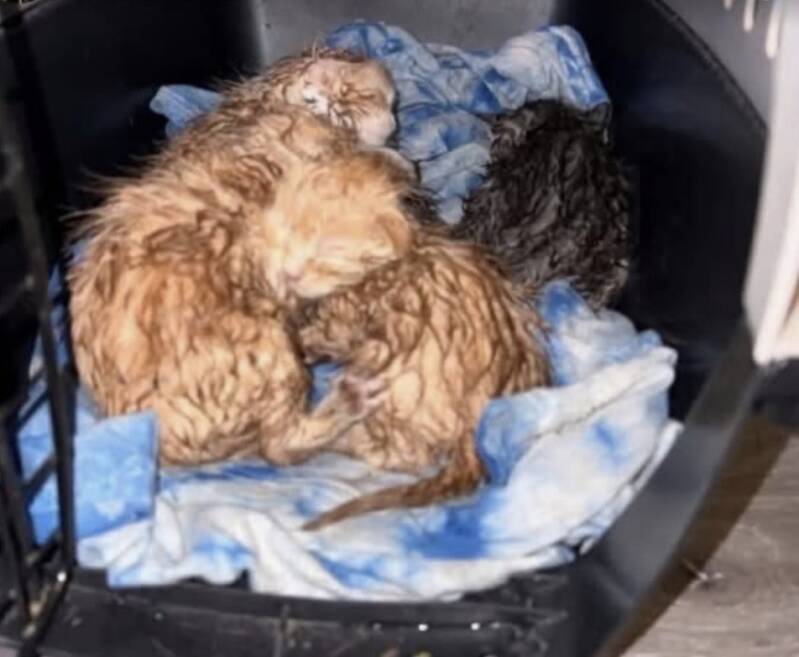
Found Kittens in New Jersey: When to Wait, When Animal Control Should Respond, and When the Law Requires Action
A practical guide for residents, municipal Animal Control Officers, and shelters | October 16, 2026
Finding a litter of kittens outdoors can create an immediate urge to intervene. But a healthy kitten left briefly alone is not necessarily an orphan. Mother cats often leave their litters to find food and may avoid returning while people are nearby. Prematurely removing healthy kittens can separate them from their best source of warmth, nutrition, and protection.
The response must change when the facts change. Kittens who are sick, injured, cold, exposed to hazardous weather, or apparently without their mother for an extended period require a different assessment. In New Jersey, some circumstances trigger mandatory duties under state animal-control law.
Healthy kittens: why waiting may be the right decision
If kittens are warm, clean, quiet, apparently well-fed, and sheltered from danger, observe them from a distance. Allow the mother a chance to return. Best Friends Animal Society describes monitoring healthy kittens in safe conditions for roughly 10–12 hours in appropriate cases, but that is animal-welfare guidance, not a waiting period imposed by New Jersey law. The appropriate interval depends on age, condition, temperature, shelter, and evidence of maternal care.
When the mother returns and the family is safe, keeping the kittens with her is usually preferable. Animal Control may provide guidance on monitoring and connect residents with community-cat resources or spay/neuter services without necessarily impounding the litter.
The law: what New Jersey requires of Animal Control
N.J.S.A. 4:19-15.16 directs the appointed certified Animal Control Officer to take custody of and impound animals in enumerated circumstances. The statutory categories for stray dogs differ from those for cats. A cat is not automatically subject to mandatory impoundment solely because it is outdoors and appears stray.
For cats, subsection 4:19-15.16(a)(5) is particularly important: it applies to an animal off the premises of its owner or caretaker that is reported to, or observed by, the ACO to be ill or injured, to create a threat to public health, safety, or welfare, or otherwise to interfere with enjoyment of property. Where the statutory conditions are met, the law says the officer “shall” take the animal into custody and impound it. Suspected rabies is addressed separately in subsection (a)(4).
The phrase “reported to, or observed by” matters. The statute does not limit its application to an illness or injury that the officer personally happens to witness. The facts and reliability of an individual report still require appropriate evaluation.
Under N.J.S.A. 4:19-15.16b, municipalities must appoint a certified ACO responsible for municipal animal control and compliance with the statutory duties. New Jersey Department of Health animal-control best practices additionally call for timely responses to calls about sick or injured stray animals, and prompt responses to animal emergencies, including at night, on weekends, and on holidays. Those published operational recommendations should not be confused with a separate fixed statutory response-time deadline.
What if the mother has not returned for days?
A few hours without seeing the mother may be normal. Multiple days, particularly when the kittens are newborn or not yet weaned, is different. Young kittens depend on frequent feeding and maternal warmth and cannot safely wait indefinitely for a mother who may not return.
New Jersey law does not establish a fixed rule that kittens become subject to mandatory impoundment after 24 hours, 48 hours, or any other precise period of maternal absence. Nevertheless, a credible report that a mother has not returned for days warrants prompt assessment and an appropriate care plan, not an automatic instruction to wait another day. If the kittens are now ill, injured, hypothermic, dehydrated, or otherwise meet subsection (a)(5), the mandatory-custody provisions become relevant.
Rain, cold, heat, flooding: weather changes the risk
Weather is not just an inconvenience for neonatal kittens. Very young kittens regulate body temperature poorly. Heavy rain, standing water, strong winds, freezing temperatures, and extreme heat can quickly create dangerous conditions, especially when a nest is exposed or the mother is absent.
New Jersey’s adverse-environmental-conditions provisions, N.J.S.A. 4:22-17.1 and 4:22-17.2, address risks from cold, heat, precipitation, and other conditions, taking the animal’s age and condition into account. But subsection 4:22-17.2(d) expressly excepts certain outdoor cats with no apparent owner commonly considered feral cats from the provisions in subsections (a) and (b). The frequently cited 30-minute adverse-weather restriction therefore cannot be presented as a universal pickup mandate for every ownerless outdoor kitten.
That exception does not negate the separate animal-control statute. Kittens already reported sick or injured as a result of exposure may fall within N.J.S.A. 4:19-15.16(a)(5). An exposed but apparently healthy litter should receive a risk-based assessment, with urgent intervention where there is immediate danger. When safe and practical, moving otherwise healthy kittens only a short distance to a nearby protected spot may help their mother locate them.
When kittens are visibly sick or injured
Visible injury, bleeding, difficulty breathing, severe lethargy, inability to stand, marked weakness, extreme coldness, infections, large or multiple cuts or wounds, lethargic, and significant discharge or diarrhea are warning signs requiring prompt professional attention. Residents should not use ordinary “wait for mom” guidance for a kitten already in distress.
If a kitten is off its owner’s or caretaker’s premises and the criteria of N.J.S.A. 4:19-15.16(a)(5) are met, the certified ACO’s custody-and-impoundment duty is mandatory. NJDOH best practices further direct that an officer evaluate the animal at capture and bring sick or injured animals directly to a veterinary facility for treatment. A shelter’s inability to personally provide around-the-clock bottle-feeding does not create a blanket exception to the ACO’s statutory duty.
For cold or collapsed neonatal kittens, seek veterinary direction immediately. Do not force-feed a severely chilled kitten; improper feeding can cause aspiration. Safe warming and feeding techniques should follow veterinary or qualified neonatal-care guidance.
Response guide: assess the actual circumstances
Situation, Recommended response, Legal significance
Healthy, warm, protected kittens; mother possibly nearby
- Observe from a distance; provide guidance and monitor for maternal return.
- Stray status alone does not automatically require impoundment of a healthy cat.
Mother absent beyond a reasonable observation period
- Reassess age, feeding, temperature, and condition; contact Animal Control or a shelter.
- Absence alone is not an express statutory impoundment category.
Mother reportedly missing for multiple days
- Prompt assessment and care coordination; avoid open-ended waiting.
- If illness or injury is reported and other conditions are met, §4:19-15.16(a)(5) applies.
Exposed to severe rain, freezing cold, heat, or flooding
- Urgent risk-based assessment; immediate action for distress or danger.
- Weather alone does not create a universal 30-minute pickup rule for ownerless feral cats.
Visibly ill or injured kitten off owner/caretaker premises
- ACO response, custody, impoundment, and veterinary evaluation.
- Mandatory under §4:19-15.16(a)(5) where statutory criteria are met.
Suspected rabies
- Immediate animal-control/public-health response and prescribed procedures.
- Mandatory impoundment category under §4:19-15.16(a)(4).
What happens after Animal Control takes custody?
Animal Control and shelter operations may be provided by the same entity or through different municipal contractors. An animal taken into custody under N.J.S.A. 4:19-15.16 must follow the statute’s lawful impoundment and transfer provisions. ACO custody is not a shortcut for directly placing an impounded kitten into an unlicensed private foster or rescue operation. Licensed shelters or pounds, veterinary providers, and authorized rescue or foster partners can coordinate care consistent with state law.
A municipal shelter may lack a neonatal nursery. That does not necessarily mean every healthy kitten must be accepted as a walk-in surrender, and it does not eliminate mandatory animal-control duties when the statutory criteria apply. Appropriate protocols identify who evaluates the report, how veterinary care is obtained, where lawful custody occurs, and how subsequent placement is coordinated. NJDOH also recommends documenting calls, field responses, the animal’s location and condition, and its final disposition.
What residents should do
First assess from a safe distance: Are the kittens sheltered, clean, warm, alert, and quiet? Is their mother likely to return? If the kittens are healthy and protected, stay back and monitor without disrupting the nest.
If the mother has not returned, particularly for many hours or days, note how long you have actually observed the kittens, their approximate age, and any changes in condition. Contact the municipality’s ACO or local health department. Municipal police dispatch can often provide the after-hours animal-control contact.
If kittens are ill, injured, cold, weak, exposed to flooding, or in another emergency, report those specific facts. Provide the location, number of kittens, approximate age, symptoms, weather exposure, and how long the mother has been missing. Seek emergency veterinary guidance when necessary. Keep a record of when you called and what response was given.
If you are told only that the kittens are “stray,” ask whether the agency has evaluated the reported illness, injury, maternal absence, and environmental risks under N.J.S.A. 4:19-15.16. Not every stray kitten needs to be impounded, but neither may a potentially mandatory case be dismissed solely on the assumption that its mother could return.
The bottom line
Effective kitten response requires triage, not blanket rules. A healthy litter in a safe nest may be best left with its mother. Kittens whose mother is missing for an extended period require reassessment. Kittens in hazardous weather need urgent risk-based attention. Sick or injured stray kittens that satisfy New Jersey’s statutory criteria require an ACO response consistent with the law.
The guiding principle is simple: protect healthy kitten families from unnecessary separation while responding decisively when their circumstances place them at risk.
Sources and further reading
- NJDOH — Components of Municipal Animal Control in New Jersey
- NJDOH — Animal Control
- NJDOH — Free-Roaming and Feral Cats
- NJDOH — It’s the Law (statutory excerpts)
- N.J.S.A. 4:19-15.16 (2025 codification)
- N.J.S.A. 4:19-15.16b (2025 codification)
- N.J.S.A. 4:22-17.2 (2025 codification)
- Best Friends — Found a Kitten? Wait Before You Act
- ASPCA — I Found Kittens Outside. What Do I Do?
- VCA Animal Hospitals — Feeding Orphaned Kittens
Editorial note: This article is for general education, not individualized legal or veterinary advice. Municipal ordinances, custody arrangements, and the specific facts of a report may affect the a